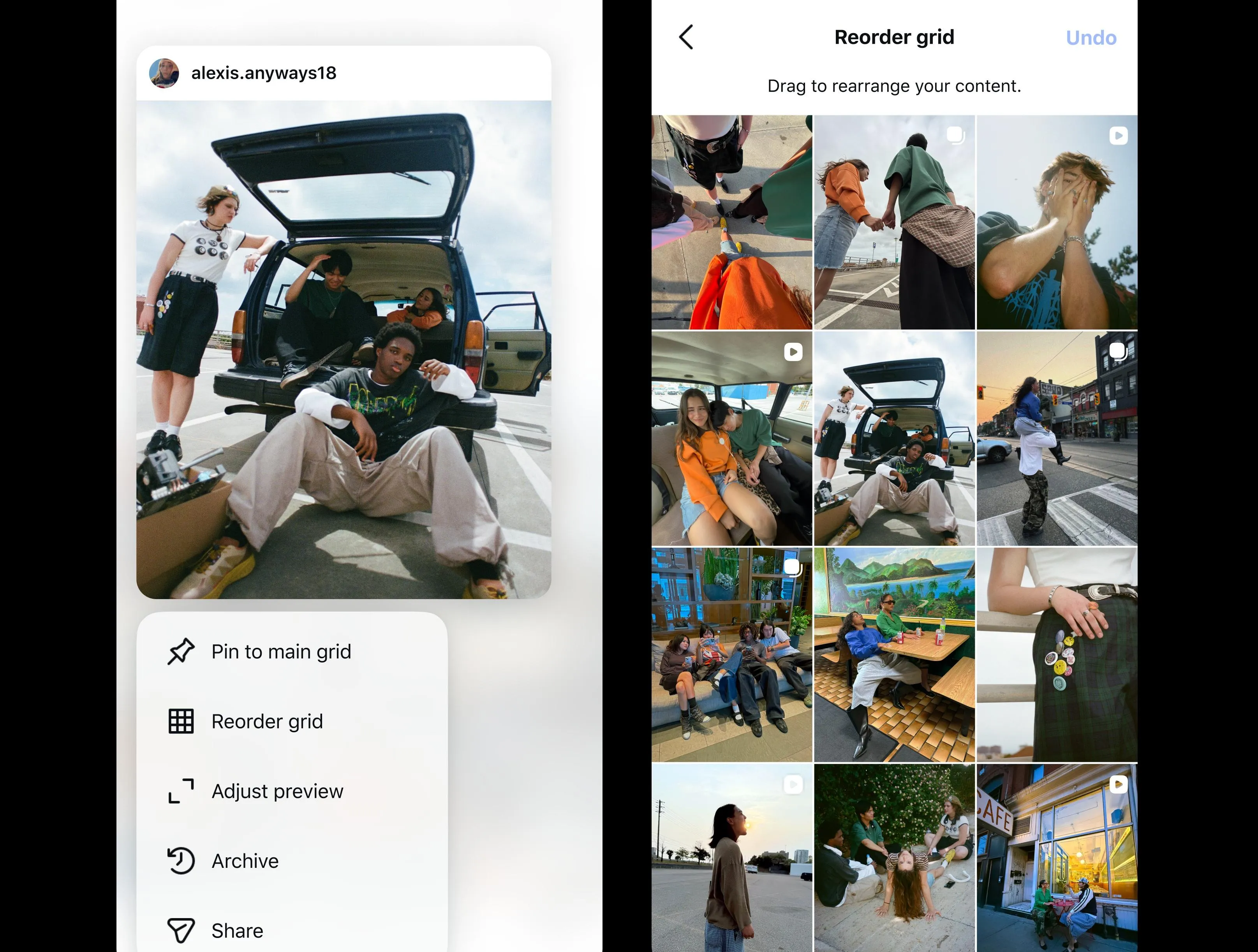
After nearly a year of anticipation, Instagram has officially rolled out its highly awaited feature allowing users to rearrange their profile grid posts, a significant enhancement in customization for the platform's millions of users. As of June 8, this feature is available through the Android and iOS apps, marking a pivotal change for a platform accustomed to rigid chronological postings.
This newfound freedom allows users to long-press and drag any post within their profile, enabling a personalized display regardless of when the content was originally shared. While three posts can still be pinned at the top, the grid's overall arrangement is now under the full control of the user, offering a fresh opportunity for self-expression within the app.
Instagram CEO Adam Mosseri first announced the prospect of this feature in January 2025, extending an apology to users whose perfectly curated profiles were thrown into disarray after the infamous shift from square to rectangular thumbnails. Responding to user frustration, Mosseri hinted that this capability would empower users to regain control over their visual narratives.
“Finally,” Mosseri remarked in a recent update, capturing the sentiment of many who have eagerly awaited this long-overdue enhancement. Despite this welcome development, feedback from the community suggests there are still various changes users would like to see implemented—many of which have been on their wish lists even longer than the introduction of a dedicated iPad interface.
The successful launch of this feature underscores Instagram's commitment to enhancing user experience, blending playful interaction with the professional aesthetic many users seek. As the platform continues to evolve, observers will be keen to see how such updates influence engagement rates and creative expression among its vast user base.
As social media landscapes shift, Instagram’s ability to adapt to user needs will likely remain a focal point in maintaining its competitive edge against emerging platforms.
Source: The Verge
Source: The Verge