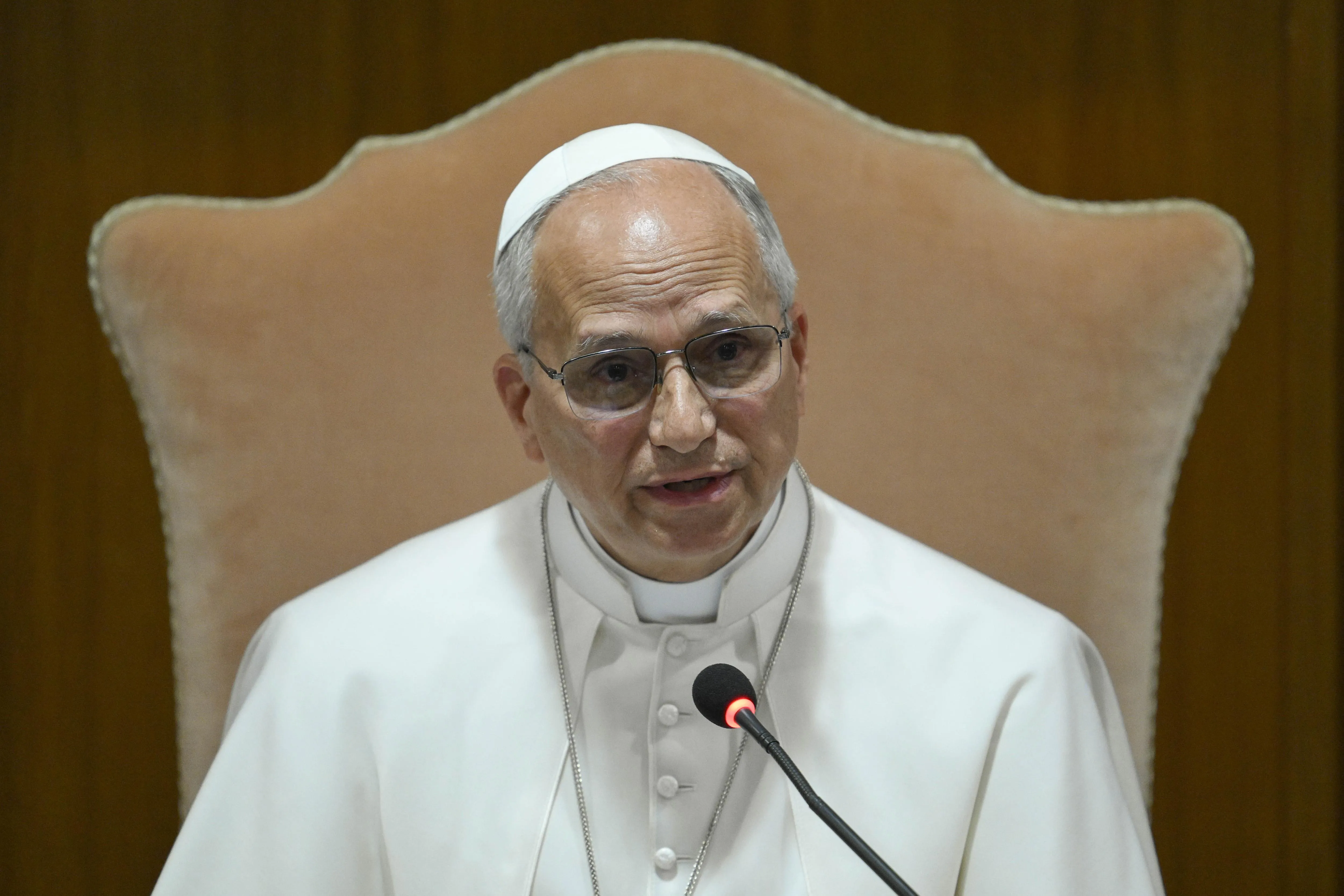
The Vatican is at the center of a growing controversy as analyses suggest that parts of Pope Leo XIV's newly released encyclical, 'Magnifica Humanitas,' may have been composed using artificial intelligence. The encyclical, which addresses the profound effects of AI on humanity, has raised eyebrows regarding authorship and the implications of utilizing AI in a spiritual and moral context.
Research led by Linch Zhang, published on the forum LessWrong, indicates that segments of the encyclical were flagged by the AI detection tool Pangram as being composed by AI with confidence levels ranging from 40% to as much as 100%. Notably, certain sections included a peculiar writing style, with the term 'genuinely' appearing more frequently than in previous papal writings, a hallmark often associated with AI-generated text.
The analysis by Zhang reveals striking statistics; the first chapter of 'Magnifica Humanitas' alone was reported to be 62% AI-generated. In a subsequent evaluation by The Verge, approximately 46% of 2,000 words from the encyclical were similarly identified as potentially AI-written. This raises critical questions: Is the Vatican embracing the technology of the future, or is it jeopardizing the sanctity of papal doctrine?
Despite these claims, not all sections of the encyclical received similar AI-related flags. Zhang pointed out that some portions were assessed as having ‘essentially 0% AI involvement.’ For instance, the initial 20 paragraphs of the last four encyclicals, when tested with Pangram, scored a confident 100% as human-written. Moreover, a transcript of Pope Leo's speech received a similar rating, reinforcing the idea that human authorship remains integral to the papal voice.
While AI detection technologies like Pangram are regarded as reliable—boasting a false positive rate of just 1 in 10,000 for misidentifying human-created content—their applicability in evaluating sensitive documents like papal encyclicals remains contentious. Analysts caution that discrepancies between different AI detection tools can lead to varying results, complicating matters further.
As the first encyclical authored by Pope Leo XIV since taking office, and the first to revolve specifically around the ramifications of artificial intelligence, 'Magnifica Humanitas' is being presented in collaboration with Christopher Olah, a co-founder of the AI research firm Anthropic. This partnership adds another layer of complexity to discussions about the intersection of faith and emerging technologies.
The encyclical is poised to ignite debates not only about AI’s role in religious discourse but also about the broader ethical implications of technology in society. As a teaching document that seeks to address contemporary moral and social challenges, the Vatican has yet to formally comment on the revelation of AI involvement in the writing process.
Given the significant implications of AI on society at large, the world's eyes will remain closely scrutinized on how the Vatican navigates this new era where faith and technology collide.
Source: The Verge