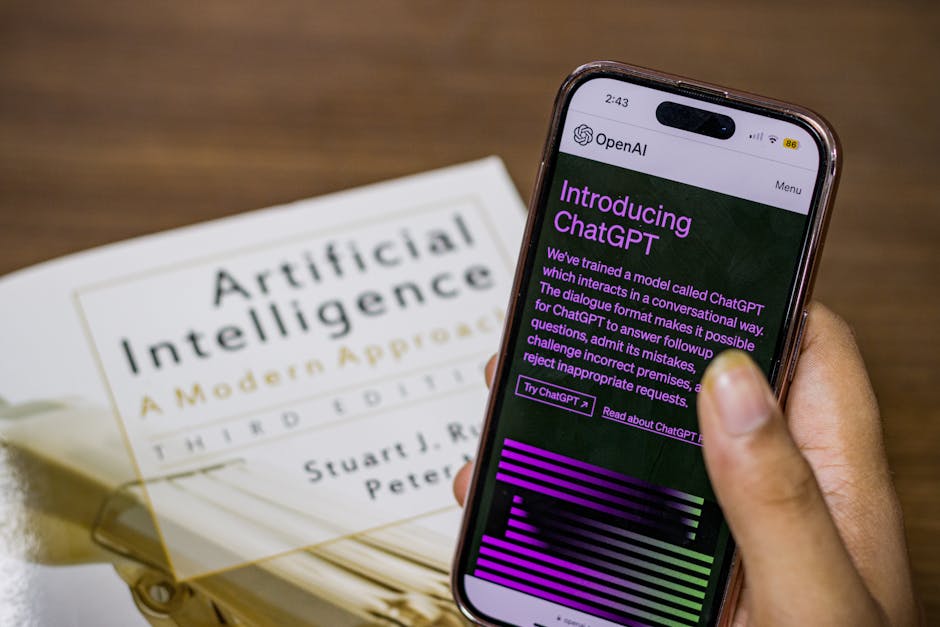
As we move into 2026, the landscape of artificial intelligence (AI) continues to evolve at an unprecedented pace. Businesses, creators, and individuals are increasingly relying on AI tools not only to enhance productivity but also to innovate and stay competitive in their respective fields. From creative applications to powerful analytics, the best AI tools are transforming how we work and live. Here, we delve into ten of the most impactful AI tools that you should consider integrating into your workflow this year.
1. ChatGPT 4.0
OpenAI’s ChatGPT 4.0 has pushed the boundaries of natural language processing. This advanced conversational agent can assist with a variety of tasks, from drafting emails to generating code snippets. In 2026, businesses are leveraging ChatGPT not only for customer service but also for internal communication and project management. Its ability to understand context and provide insightful responses makes it a game-changer for companies looking to enhance their productivity.
Real-World Example
Companies like Slack have integrated ChatGPT into their platforms to help users streamline communication. Employees can query the AI for quick answers to common questions, reducing time spent searching for information.
2. DALL-E 3
Visual content creation is undergoing a renaissance with tools like DALL-E 3, which generates high-quality images from text prompts. In 2026, marketers and designers are using DALL-E to create unique visual assets, allowing them to stand out in a crowded digital landscape. The ability to generate bespoke images on demand not only saves time but also fosters creativity.
Application in Marketing
For example, brands can create tailored promotional materials without the need for extensive design teams, which is particularly beneficial for startups and small businesses.
3. TensorFlow 3.0
TensorFlow 3.0 has become a staple for data scientists and machine learning engineers. This open-source platform allows users to build and deploy machine learning models efficiently. With enhanced features for distributed training and improved performance, TensorFlow is vital for organizations looking to harness large datasets. In 2026, its user-friendly interface and comprehensive documentation have made it accessible to beginners and experts alike.
Industry Applications
Industries such as healthcare utilize TensorFlow to develop predictive models for patient outcomes, showcasing its impact on real-world applications.

4. Jasper AI
Content creation has been revolutionized by Jasper AI, which assists writers and marketers in generating engaging copy quickly. Its capabilities extend beyond simple text generation; Jasper can optimize content for SEO, suggest headlines, and even analyze audience sentiment. By 2026, it has become an indispensable tool for content marketers aiming to scale their efforts and enhance their creative processes.
SEO Optimization
As businesses compete for visibility, Jasper’s ability to generate SEO-friendly content quickly allows companies to maintain a robust online presence.
5. Microsoft Copilot
Microsoft Copilot has integrated AI capabilities into the Microsoft 365 suite, enabling users to leverage AI directly within applications like Word, Excel, and PowerPoint. With features such as automated data analysis and content suggestions, Copilot enhances productivity for professionals across various sectors. In 2026, this tool has become synonymous with efficiency in office environments.
Enhancing Productivity
For instance, professionals can generate reports in seconds, freeing up valuable time for strategic thinking and decision-making.
6. DataRobot
DataRobot is a leader in automated machine learning, allowing users to build and deploy predictive models without extensive coding knowledge. By 2026, organizations are using DataRobot to drive business decisions based on data insights, empowering teams to make informed choices swiftly. Its user-friendly platform democratizes access to machine learning, enabling companies of all sizes to leverage AI.
Case Study
Retail companies use DataRobot to optimize inventory management and predict consumer behavior, leading to increased sales and reduced waste.
7. Grammarly Business
As communication becomes increasingly digital, Grammarly Business has emerged as a crucial tool for organizations aiming to enhance their writing quality. In 2026, Grammarly not only checks for grammatical errors but also suggests improvements in tone and style based on the intended audience. This tool is particularly valuable in maintaining brand voice across all corporate communications.
Maintaining Brand Consistency
Companies use Grammarly to ensure that all written content aligns with their brand guidelines, enhancing professionalism and clarity.
8. Synthesia
Synthesia has pioneered the use of AI-generated video content, allowing users to create videos with realistic avatars without the need for cameras or actors. This tool has found applications in training, marketing, and customer engagement. By 2026, businesses are using Synthesia to deliver personalized video content at scale, enhancing engagement through visually appealing formats.
Training Applications
For example, companies can create training videos that are tailored to specific audiences, improving the learning experience for employees.
9. Runway ML
For creatives, Runway ML offers a suite of AI-powered tools for video editing and visual effects. By 2026, filmmakers and content creators are leveraging Runway ML to streamline their workflows, enabling quick iterations and innovative effects that were previously time-consuming and costly. This platform represents a shift towards more democratized video production.
Creative Innovations
Independent filmmakers can utilize Runway ML to produce high-quality content without extensive budgets, opening doors for diverse storytelling.
10. Hugging Face
As a leader in natural language processing, Hugging Face provides a vast library of pre-trained models that developers can use to build AI applications. In 2026, its community-driven approach fosters collaboration among researchers and developers, making cutting-edge technology accessible to all. Hugging Face’s tools are widely used for chatbot development, sentiment analysis, and more.
Collaborative Research
The platform has become a hub for AI research, allowing institutions to share models and findings, contributing to the rapid advancement of the field.
In conclusion, the AI tools mentioned here represent just a glimpse of the innovations transforming industries and workflows in 2026. Each tool offers unique capabilities that can significantly enhance productivity, creativity, and decision-making processes across various sectors. As businesses and individuals adapt to these advancements, embracing AI technology will be crucial for maintaining a competitive edge in the ever-evolving digital landscape.
More Recommended

How AI Is Changing Everyday Life and Work

Beginner’s Guide to AI Automation for Small Tasks