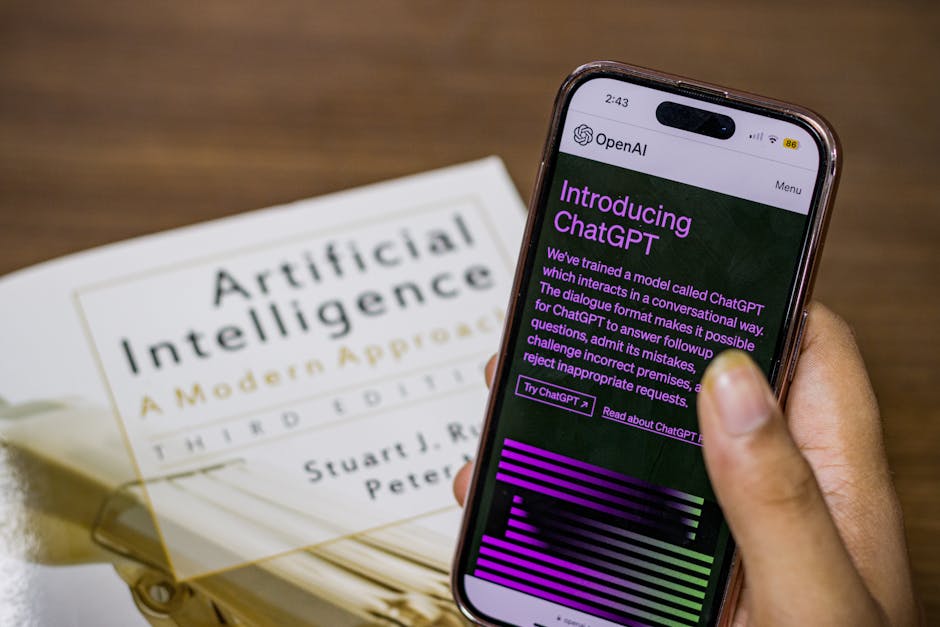
Artificial Intelligence (AI) is no longer a futuristic concept confined to science fiction; it is a transformative force that is reshaping our everyday lives and work environments. From virtual assistants that help manage our schedules to complex algorithms that optimize supply chains, AI is increasingly integrated into our daily routines. This article explores the myriad ways AI is altering our lifestyles and professional landscapes, highlighting specific applications, benefits, and the broader implications of its ubiquitous presence.
The Rise of AI in Everyday Life
AI's influence on everyday life is evident in numerous aspects, from personal convenience to improved public services. One of the most visible applications of AI is in smart home technology. Devices such as Amazon Echo and Google Nest utilize AI to learn users' preferences and habits, allowing them to automate tasks like adjusting the thermostat, controlling lighting, and managing home security systems.
Smart Assistants and Personalization
Virtual assistants like Siri, Alexa, and Google Assistant have revolutionized how individuals interact with technology. These AI-driven platforms are designed to understand natural language, making it easier for users to obtain information, set reminders, and control smart home devices. According to a report by Statista, the global smart speaker market is projected to grow significantly, reflecting the increasing reliance on these technologies for everyday tasks.

AI in Healthcare
In the healthcare sector, AI is making strides by enhancing diagnostic accuracy and personalizing treatment plans. Machine learning algorithms analyze vast amounts of medical data to identify patterns that may be invisible to human practitioners. For instance, IBM Watson has been deployed in oncology to assist doctors in developing treatment plans by analyzing patient records and the latest research. This not only speeds up the decision-making process but also improves patient outcomes.
The Impact of AI on Work Environments
As AI technology advances, its impact on the workplace becomes increasingly pronounced. The integration of AI tools can enhance productivity, streamline operations, and improve decision-making processes across various industries.
Automation and Efficiency
Automation powered by AI is transforming industries by taking over repetitive tasks that once required human intervention. For example, in manufacturing, AI-driven robots can perform assembly line tasks with precision and speed, leading to increased efficiency. According to a report from McKinsey, automation could raise productivity by 0.8 to 1.4 percent annually, significantly impacting economic growth. Moreover, this shift allows human workers to focus on more complex and creative aspects of their jobs.
Data-Driven Decision Making
AI's ability to process and analyze large datasets enables companies to make informed decisions quickly. Predictive analytics, powered by machine learning algorithms, can forecast market trends and consumer behavior, allowing businesses to adapt their strategies accordingly. For instance, retailers like Walmart utilize AI to optimize inventory management by predicting demand fluctuations. This not only reduces waste but also ensures that customers find the products they need when they need them.
The Ethical Considerations of AI
While the benefits of AI are substantial, the rapid adoption of this technology raises ethical concerns that must be addressed. Issues such as data privacy, algorithmic bias, and job displacement are critical topics in the ongoing discourse surrounding AI.
Data Privacy and Security
As AI systems often rely on vast amounts of personal data, ensuring the privacy and security of this information is paramount. High-profile data breaches and unauthorized data usage have led to increased scrutiny of how companies handle personal information. Regulations such as the General Data Protection Regulation (GDPR) in the European Union aim to protect individuals' rights regarding their data. Companies must navigate these regulations while leveraging AI to enhance their services.
Addressing Algorithmic Bias
Algorithmic bias is another pressing issue that arises from AI's reliance on historical data to make predictions. If the data used to train AI systems is biased, the outcomes can perpetuate existing inequalities. For example, a study by ProPublica found that some algorithms used in criminal justice risk assessments disproportionately flagged African American defendants as high risk compared to their white counterparts. Addressing these biases is crucial for ensuring that AI serves as a tool for equity and fairness rather than exacerbating societal disparities.
The Future of AI in Everyday Life and Work
Looking ahead, the potential of AI to reshape our lives and work environments is immense. As technology continues to evolve, we can expect AI to become even more integrated into our daily activities, enhancing convenience and efficiency. The development of AI technologies, such as natural language processing and computer vision, will further broaden the scope of applications available to consumers and businesses alike.
AI and the Workforce
The future workforce will likely see a shift in the types of skills that are in demand. As AI takes over routine tasks, there will be a growing need for employees who can work alongside AI, manage these systems, and leverage their capabilities for strategic advantage. Upskilling and reskilling the workforce will be essential to prepare for this transition. Organizations that invest in training their employees to work with AI technologies will not only enhance productivity but also foster a culture of innovation.
AI in Education
In education, AI has the potential to create personalized learning experiences that cater to individual student needs. Adaptive learning platforms use AI algorithms to analyze students' performance and tailor educational content accordingly, ensuring that each learner progresses at their own pace. This approach not only improves learning outcomes but also helps educators identify students who may need additional support.
In conclusion, AI is fundamentally changing how we live and work. Its applications are vast and varied, influencing sectors from healthcare to education, and its potential continues to grow. While the challenges posed by AI must be addressed, the benefits it offers in terms of efficiency, productivity, and personalization are undeniable. As we embrace this technological revolution, it is imperative to ensure that AI is developed and implemented responsibly, paving the way for a future where humans and machines can collaborate harmoniously.
More Recommended

10 Best AI Tools You Should Be Using in 2026

Beginner’s Guide to AI Automation for Small Tasks