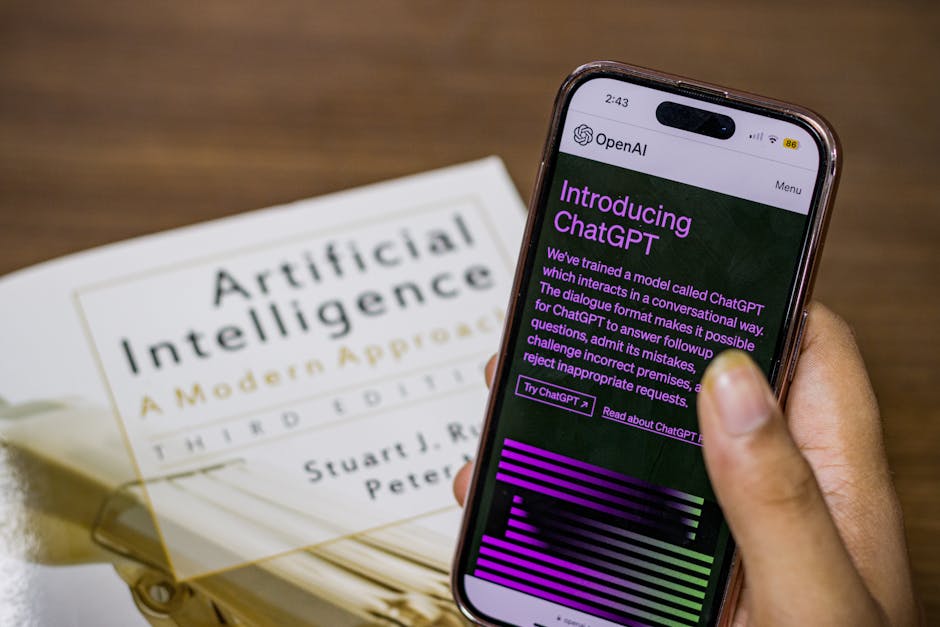
The rapid evolution of artificial intelligence (AI) has prompted a surge of tools designed to assist with various tasks, from content creation to customer service. Among these tools, ChatGPT, developed by OpenAI, has gained significant attention for its conversational capabilities and versatility. However, the question remains: how does ChatGPT compare to other AI tools in the market? In this analysis, we will delve deep into the features, strengths, and weaknesses of ChatGPT and its competitors to determine which AI tool is indeed better suited for different applications.
Understanding ChatGPT
ChatGPT is an advanced language model that leverages deep learning techniques to generate human-like text responses. It is built on the Generative Pre-trained Transformer (GPT) architecture, which enables it to understand context, follow instructions, and even generate creative content. The model has been trained on a diverse dataset, allowing it to perform various tasks, including answering questions, writing essays, and engaging in casual conversation. This versatility sets it apart from many traditional AI tools.
Key Features of ChatGPT
Natural Language Understanding
One of the standout features of ChatGPT is its ability to understand and generate human-like text. The model excels in natural language understanding, allowing it to grasp nuanced queries and respond in a coherent manner. This capability is invaluable for applications in customer service, where understanding user intent is crucial.
Contextual Awareness
ChatGPT can maintain context over multiple interactions, which enhances its conversational abilities. This feature allows users to have extended discussions without losing track of previous exchanges. For instance, in a customer support scenario, ChatGPT can remember a customer’s previous questions, providing a more seamless experience.
Versatile Applications
ChatGPT is not limited to simple question-answering tasks. It can be utilized for content creation, brainstorming, tutoring, and even programming assistance. This versatility makes it suitable for a wide range of industries, from education to marketing.

Comparative Analysis with Other AI Tools
While ChatGPT offers a robust platform for AI-driven interactions, there are several other notable AI tools that cater to specific needs. This section will compare ChatGPT with some of its closest competitors: Google Bard, Jasper AI, and Microsoft’s Azure AI.
Google Bard
Google Bard is a conversational AI tool that leverages Google's extensive data and search capabilities. Unlike ChatGPT, which relies on its training data up to a certain point, Bard can pull in real-time information from the web. This feature gives it a significant advantage when it comes to delivering current events or up-to-date answers.
However, Bard's conversational depth may not match that of ChatGPT. While it provides factual information effectively, users have reported that Bard sometimes lacks the human-like touch that ChatGPT offers in its responses. For businesses that prioritize up-to-date information, Bard may be preferred, but for those seeking engaging interactions, ChatGPT shines.
Jasper AI
Jasper AI is primarily designed for content creation, particularly marketing materials, blog posts, and social media content. It utilizes AI to streamline the writing process, allowing users to generate high-quality content quickly. Unlike ChatGPT, which engages in dialogue and can follow complex conversations, Jasper focuses on producing structured content based on specific prompts.
For marketers and content creators, Jasper's specialized features—such as SEO optimization tools—can be extremely beneficial. However, it lacks the conversational ability and versatility of ChatGPT, making it less suitable for applications requiring interactive dialogue.
Microsoft Azure AI
Microsoft’s Azure AI provides a suite of AI services, including language understanding, speech recognition, and machine learning capabilities. Azure AI is geared towards developers and businesses looking to integrate AI functionalities into their applications. While it offers extensive customization options, it requires a certain level of technical expertise to implement effectively.
In terms of conversational AI, Azure offers tools akin to ChatGPT, but they may not be as user-friendly or as conversationally adept. Businesses looking for an all-in-one solution may find Azure AI appealing, but those seeking a ready-to-use conversational tool might prefer ChatGPT.
Real-World Applications
To further understand the practical implications of using ChatGPT versus other AI tools, let’s explore some real-world applications.
Customer Support
In the realm of customer service, ChatGPT has been employed by various companies to handle customer inquiries efficiently. For example, businesses like Instacart have integrated ChatGPT to assist customers with their grocery orders, providing quick responses and enhancing the overall shopping experience. In contrast, tools like Google Bard are utilized in environments that require real-time data, such as travel booking services, where up-to-date information is critical.
Content Creation
For content creators, the choice between ChatGPT and Jasper AI is critical. Many marketers have turned to Jasper AI for its ability to generate SEO-optimized blog posts quickly. However, when it comes to generating creative ideas and engaging narratives, ChatGPT often takes the lead. For instance, a writer might use ChatGPT to brainstorm story ideas and then switch to Jasper for drafting polished articles.
Limitations and Challenges
Despite its strengths, ChatGPT is not without limitations. One major concern is the potential for generating biased or inaccurate information, as the model is only as good as the data it has been trained on. OpenAI has made efforts to mitigate these issues, but users must remain vigilant and critical of the output.
Other AI tools, such as Jasper, may struggle with context in long-form content, while Google Bard's reliance on real-time data can sometimes lead to the dissemination of misinformation if the source material is not reliable. It is crucial for users to understand these limitations to make informed choices about which tool to use for specific tasks.
The Verdict: Which AI Tool is Better?
Determining which AI tool is better ultimately depends on the user’s specific needs. ChatGPT excels in conversational contexts, making it ideal for applications requiring human-like interaction. However, for tasks requiring real-time information, Google Bard may be preferable. Jasper AI stands out for content marketing, while Microsoft Azure AI offers robust solutions for developers seeking customization.
In conclusion, ChatGPT provides unique advantages in conversational AI, but its effectiveness compared to other tools varies based on the application and context. Users should evaluate their specific requirements and consider factors such as ease of use, versatility, and the nature of the task at hand when choosing an AI tool.
For more insights into AI tools and their applications, you can visit sources like Wikipedia for a comprehensive overview of AI technologies, or explore trusted news outlets like BBC News for the latest updates in AI advancements.
As technology continues to evolve, the capabilities of these tools will likely expand, making it essential for users to stay informed about emerging trends and innovations in the AI landscape.
More Recommended

10 Best AI Tools You Should Be Using in 2026

How AI Is Changing Everyday Life and Work
