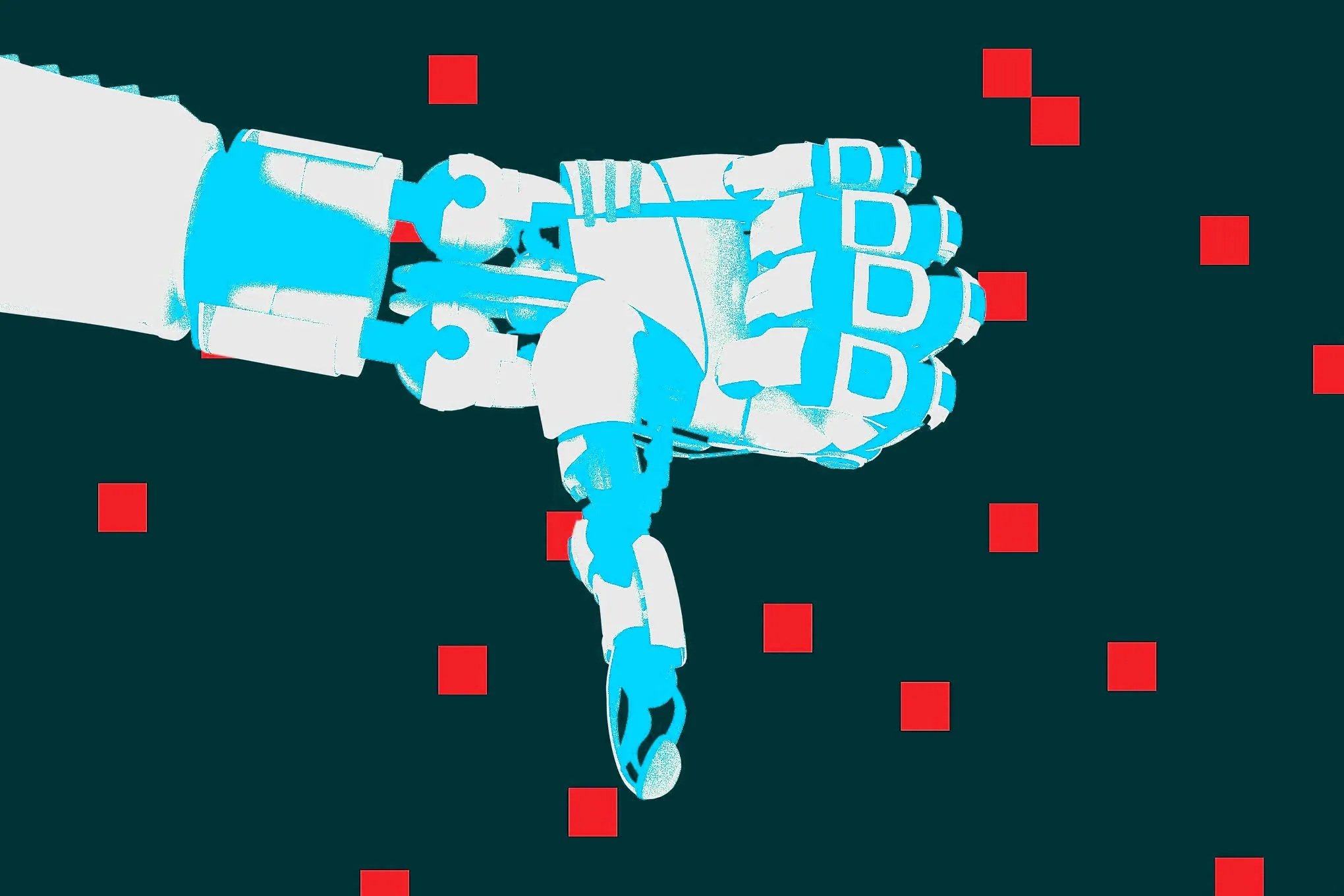
As artificial intelligence continues its ubiquitous march into daily life, a significant portion of Americans express trepidation about its speed of evolution. A new Pew Research Center poll indicates that while nearly half of the population—49%—engages with AI chatbots occasionally, a striking 63% believe the technology is advancing too rapidly.
AI's integration into society has accelerated dramatically since 2024, when just 33% of Americans reported using chatbots. Notably, users of ChatGPT have doubled since 2023, with 44% of respondents stating they have utilized this technology.
Contrasting Perspectives Among Age Groups
Notably, the generational divide in perceptions of AI is pronounced. Among the 18 to 29 age group, 66% report utilizing chatbots, yet nearly half—48%—harbor negative outlooks regarding the potential societal impacts of AI. Only 14% see it as a positive force. This younger demographic appears more inclined to embrace technological advancements while simultaneously expressing skepticism about their implications.
In contrast, those aged 30 to 49 show the highest daily usage of AI tools, with 34% indicating reliance on chatbots at least once a day. The adoption is influenced partly by professional necessity, as 40% of Americans report incorporating AI into their work tasks. Moreover, 30% believe that AI enhances their productivity, while 28% think it aids in staying informed. However, concerns linger; a hefty 66% of adults have expressed anxiety over the quality of information disseminated by AI systems, underlining a pervasive sense of caution.
Societal Sentiment and Future Implications
Despite increased usage and some perceived benefits, public confidence in AI remains fragile. Only 16% of survey respondents are optimistic about AI's long-term impact on society. This skepticism raises pressing questions about the trajectory of AI technology and its governance as it weaves ever deeper into the fabric of American life.
As the nation grapples with this dual reality of AI's growing prevalence and public wariness, the call for a balanced dialogue around the technology's future becomes increasingly critical.
Source: The Verge
Source: The Verge