In a bold departure from its established catalog of science fiction and feel-good sitcoms, Apple TV has turned its spotlight on the vibrant, often controversial world of OnlyFans with two new hit series that resonate deeply with contemporary societal themes.
Margo’s Got Money Troubles: A Dramedy with Heart
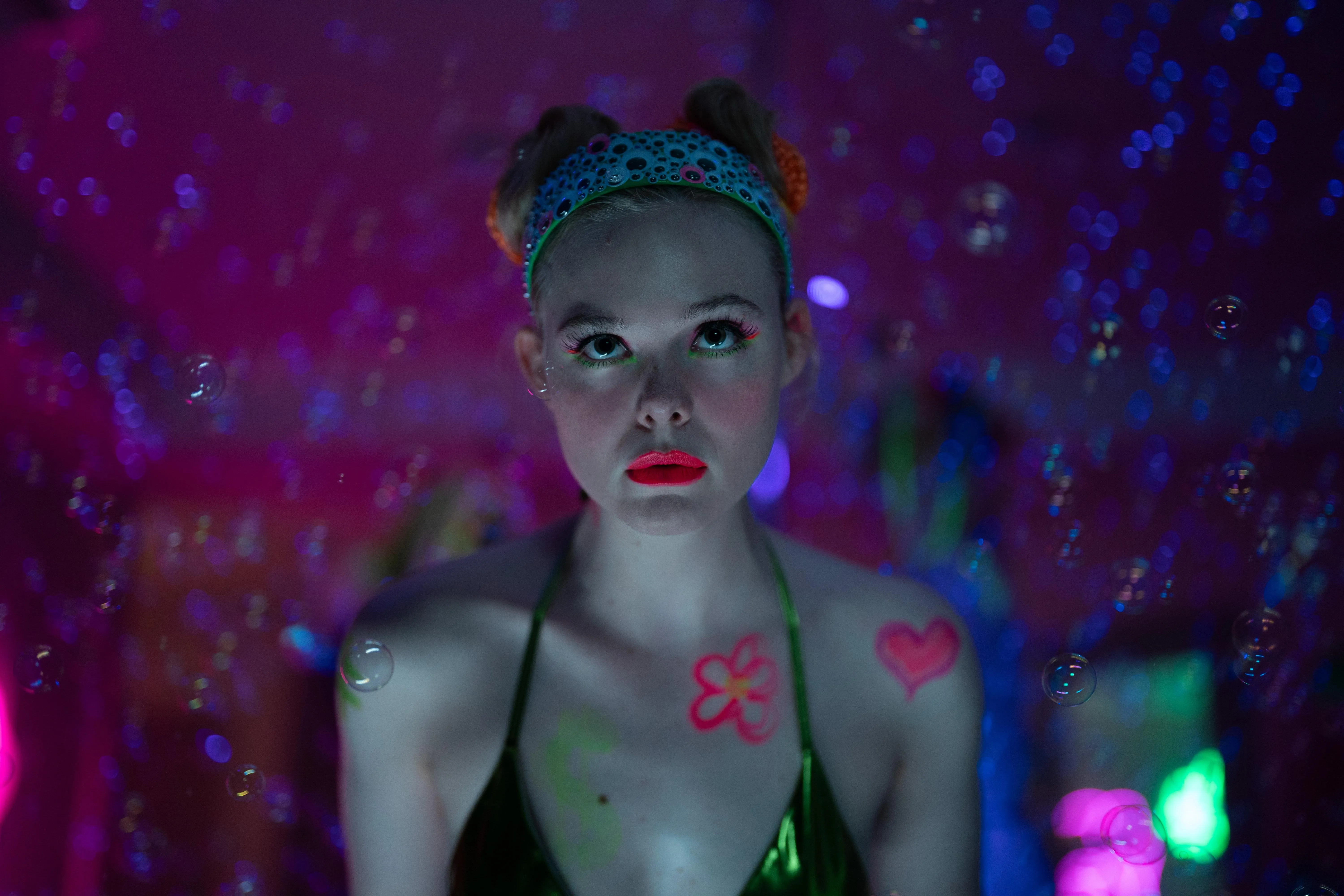
Premiering with notable buzz, Margo’s Got Money Troubles stars Elle Fanning as Margo, a college student caught in a whirlwind of life changes after an unplanned pregnancy and a rocky affair with her professor. As her life spirals, Margo inadvertently finds herself exploring the world of OnlyFans as a means to support her child. Streamed in a playful yet poignant manner, the series offers a refreshing mix of humor and stark realities, tackling not only the stigmas surrounding sex work but also the personal challenges faced by its protagonists.
In an innovative narrative twist, Margo adopts an alter ego: a clueless alien whose unique take on life—marked by whimsical references, including Pokémon—allows for a humorous lens on serious themes. The finale, set to air on May 20, promises a gripping courtroom battle over custody that intertwines her newfound profession with the moral quandaries of motherhood.
Maximum Pleasure Guaranteed: A Tense Thriller
Conversely, Maximum Pleasure Guaranteed, created by David J. Rosen, shifts focus to a subscriber's experience, spotlighting Paula, a recently divorced single mother portrayed by Tatiana Maslany. A quest for companionship leads her to a cam service where she finds solace in her interactions with a cam model, escalating into a suspenseful narrative filled with unexpected dangers. Their bond, initially built on intimate yet innocent chats, turns dire amidst a scam that challenges Paula’s safety and sanity.
Rosen reveals that the series’ inspiration stemmed from the acute loneliness exacerbated by the COVID-19 pandemic, prompting reflections on technology's dual nature as both a connector and isolator. As the narrative deepens, it evolves into a modern-day Rear Window, depicting an obsessed voyeuristic world that explores broader themes of relationship dynamics in an increasingly digital age.
Reflecting Cultural Shifts
The timing of both shows is no mere coincidence, but rather a symptom of a cultural shift towards acceptance of technology-mediated relationships and companionship. “I think it’s in the air,” Rosen notes, emphasizing the growing narrative space for stories that reflect society's evolving attitudes towards intimacy.
As Apple TV seeks to broaden its programming horizons, these two series are not just entertainment; they are cultural commentaries that navigate the complexities of modern relationships, igniting conversations about acceptance and understanding in an often judgmental world.
With renewed interest and renewed seasons already on the horizon, Apple TV is poised to capitalize on this intersection of digital culture and traditional storytelling.
Source: The Verge