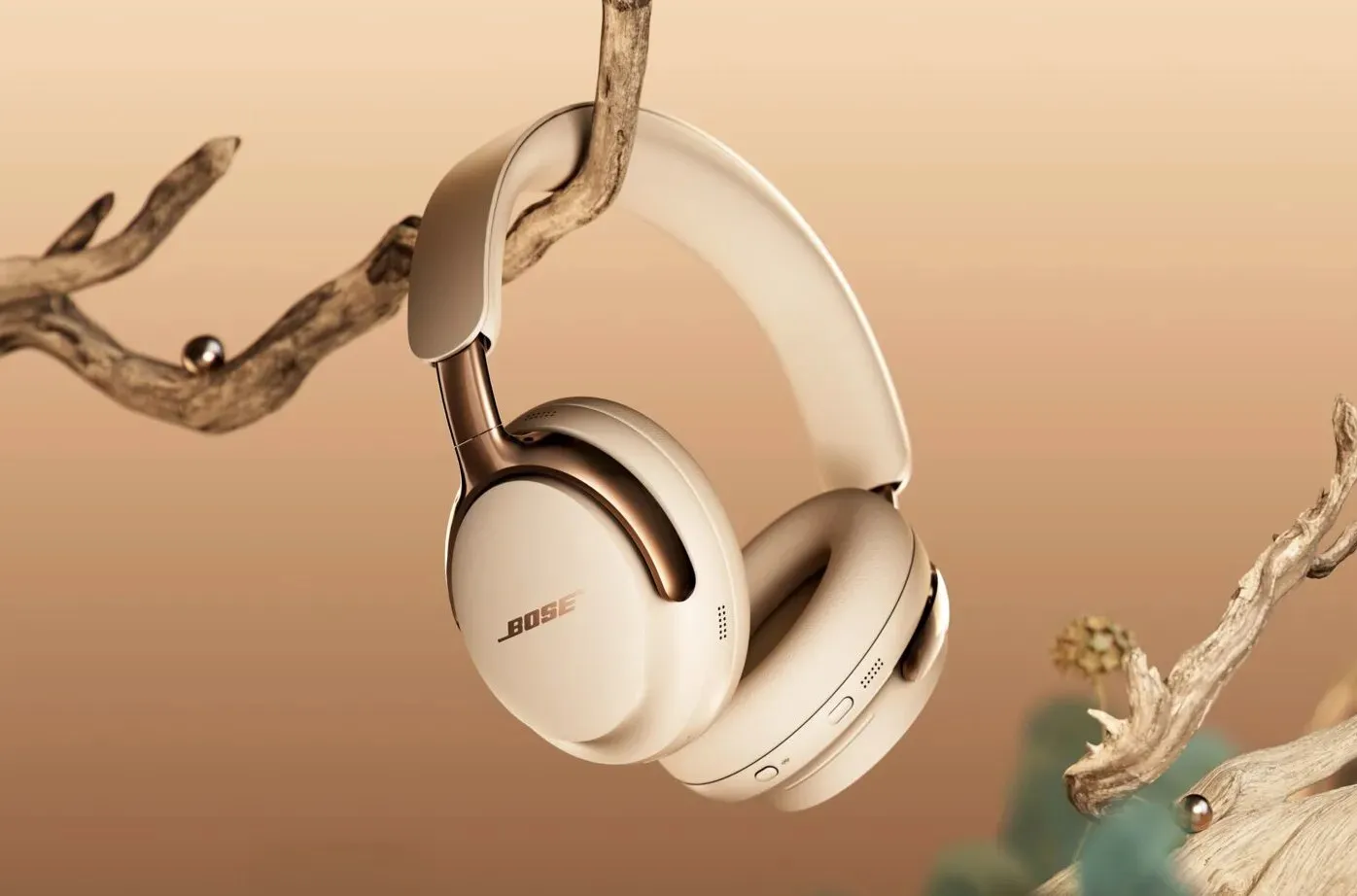
In an audacious bid to redefine its brand, Bose is venturing beyond audio technology and diving headfirst into the media landscape with the launch of Bose Studios. Yet, as history has shown, many corporate giants have faltered in their attempts to create successful music labels and entertainment ventures.
From Sound Systems to Soundtracks
Despite its formidable reputation as a leading audio equipment manufacturer, Bose now aims to establish itself as a player in the entertainment industry, inspired, it seems, by the success of Red Bull Media. Jim Mollica, the company’s Chief Marketing Officer, explained in a recent interview with Business Insider that Bose Studios is intended to mark a strategic pivot away from conventional marketing strategies. “We want to help break underappreciated or new artists,” he stated, emphasizing the launch of Bose Records as a centerpiece of this venture.
A New Direction or a Familiar Pitfall?
Bose’s ambitious multimedia strategy underscores a key aspect of the modern entertainment business: the quest for in-house content that can drive marketing and branding without incurring costly licensing fees. Mollica revealed that Bose would not seek to own the masters created by artists signed to Bose Records, allowing them ample freedom and autonomy to sign with other labels. On the surface, this appears artist-friendly; however, the true test lies in execution.
Challenges on the Horizon
While Bose has garnered recognition for its high-quality audio hardware, it faces significant hurdles in the music industry, where competition is dominated by established major labels like Universal Music Group and Sony. Furthermore, independent labels are already pushing the boundaries of creativity and distribution in a landscape increasingly characterized by self-distribution and bedroom producers.
Mollica has indicated that Bose Studios is also eyeing film and podcast production, hinting at partnerships with “legendary Hollywood names.” However, the combination of launching a record label alongside a movie studio and podcast network raises questions about focus and strategic intent. Can Bose genuinely transition from crafting superior sound technology to producing compelling artistic content?
Will History Repeat Itself?
The landscape of failed corporate record labels—Starbucks’ Hear Music, Scion A/V, and others—serves as a cautionary tale for Bose. Critics argue that without a clear cultural connection or established partnerships in the entertainment sector, Bose Studios could easily become another footnote in corporate history rather than a beacon of innovation.
As Bose embarks on this risky endeavor, one fundamental truth remains: breaking into the music and film industries demands more than just a robust marketing strategy. It requires a deep understanding of artist development, audience engagement, and cultural relevance. Only time will tell if Bose Studios can rise above the fray and carve out a lasting legacy in the entertainment world.
Source: The Verge
Source: The Verge