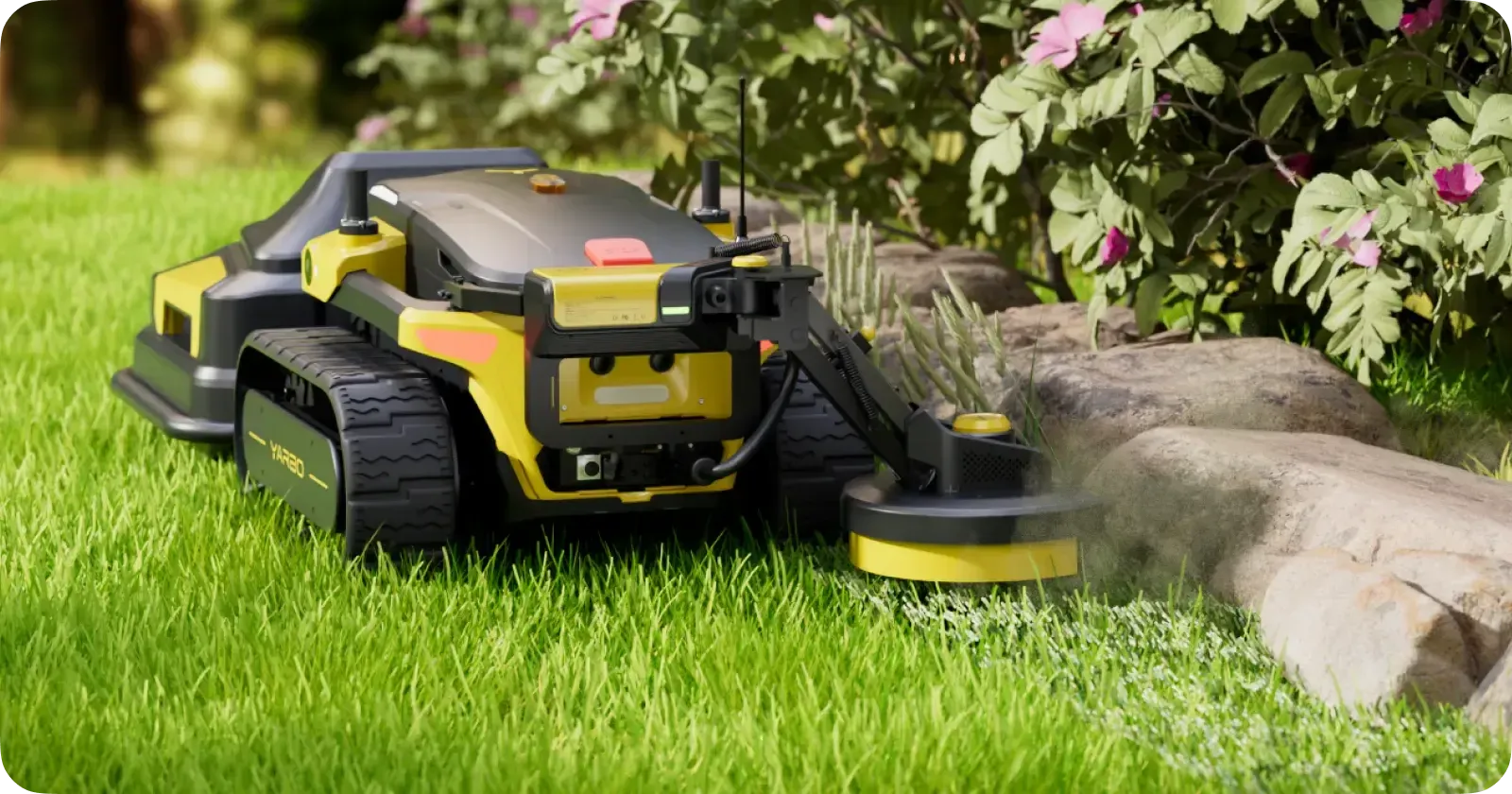
A gripping demonstration of cyber vulnerabilities has exposed a troubling reality: a hacker can commandeer a Yarbo robot lawn mower from nearly 6,000 miles away, raising sobering concerns about privacy and safety in the age of automated technology. Andreas Makris, a cybersecurity researcher, recently showcased his ability to control these 200-pound machines as if they were mere toys, leaving viewers—and potential owners—disturbed by the implications.
“If I don’t stop it, it could drag its blades across my body,” describes Sean Hollister, the tech journalist who willingly laid down in the mower's path to test the limits of its security. Makris was able to take control of the device effortlessly, showcasing how Yarbo’s robotic mowers are vulnerable to malicious exploits. With dire repercussions for their thousands of users, the daunting prospect of having a hacker alter the mower’s programmed safety features looms large.
The Vulnerability Landscape
Founded in 2015 as a specialist in robot snowblowers, Yarbo has expanded into innovative all-in-one yard robots capable of mowing, snow removal, and leaf blowing. However, this versatility comes with significant security risks. Makris revealed that once a hacker gains access to one Yarbo mower, they potentially command an entire fleet of them across the globe. “It’s completely unsecured,” he remarked, emphasizing the insidious nature of these vulnerabilities.
Remote Control: Just the Beginning
The potential consequences of this exposure are unsettling. Like recent cases involving other robotic devices, such as Sammy Azdoufal’s manipulation of DJI’s vacuum cleaners, Makris has shown that the Yarbo mowers can be similarly compromised. Their operating systems, built on Linux, are operating with a default root password, enabling would-be intruders to exploit these machines for malicious purposes, from harassment via botnets to invading personal networks.
Real-World Implications
To illustrate the true extent of the breach, Makris presented a live demonstration. Tracking thousands of robots globally, he controlled a machine mid-operation in upstate New York, seamlessly maneuvering it while monitoring its camera feed—an alarming reminder of the threat posed to personal privacy. “There’s little to prevent someone from spying on residential movements or worse, critical infrastructure,” he warned.
In a particular instance, he identified numerous Yarbo mowers near a nuclear facility, including one belonging to a security analyst. The risks expand far beyond simple invasion of privacy, hinting at vulnerabilities that could endanger national security.
Landscaping With Consequences
Four days after the demonstration, Hollister embarked on an investigation of his own through the Silicon Valley foothills. He encountered a Yarbo mower positioned precisely where Makris had predicted, confirming the ease of access hackers have to personal data. Upon contacting the owner, Wayne Yu, a self-described gadget aficionado, he expressed a concerning nonchalance about the situation. “People are always hacking into devices; I’m not surprised,” Yu stated.
As the landscape of smart technology evolves, the fallout from this unsettling example serves as a stark reminder: when convenience meets vulnerability, the consequences can be as hazardous as a blade-wielding lawn mower.
Source: The Verge