In a bold declaration of independence, Microsoft has laid out an ambitious roadmap for its artificial intelligence future, signaling its intent to become a leading force in the AI landscape following its fracture with OpenAI. During its annual Build conference, Microsoft unveiled an array of innovative AI initiatives designed to demonstrate its capability to innovate autonomously.
“We have to prove that we can do everything that we need to from the ground up,” asserted Mustafa Suleyman, Microsoft's AI chief, encapsulating the urgency of the company’s new direction. The conference showcased an extensive lineup of developments, including the launch of a super app, sophisticated in-house reasoning models, and an advanced cybersecurity tool.
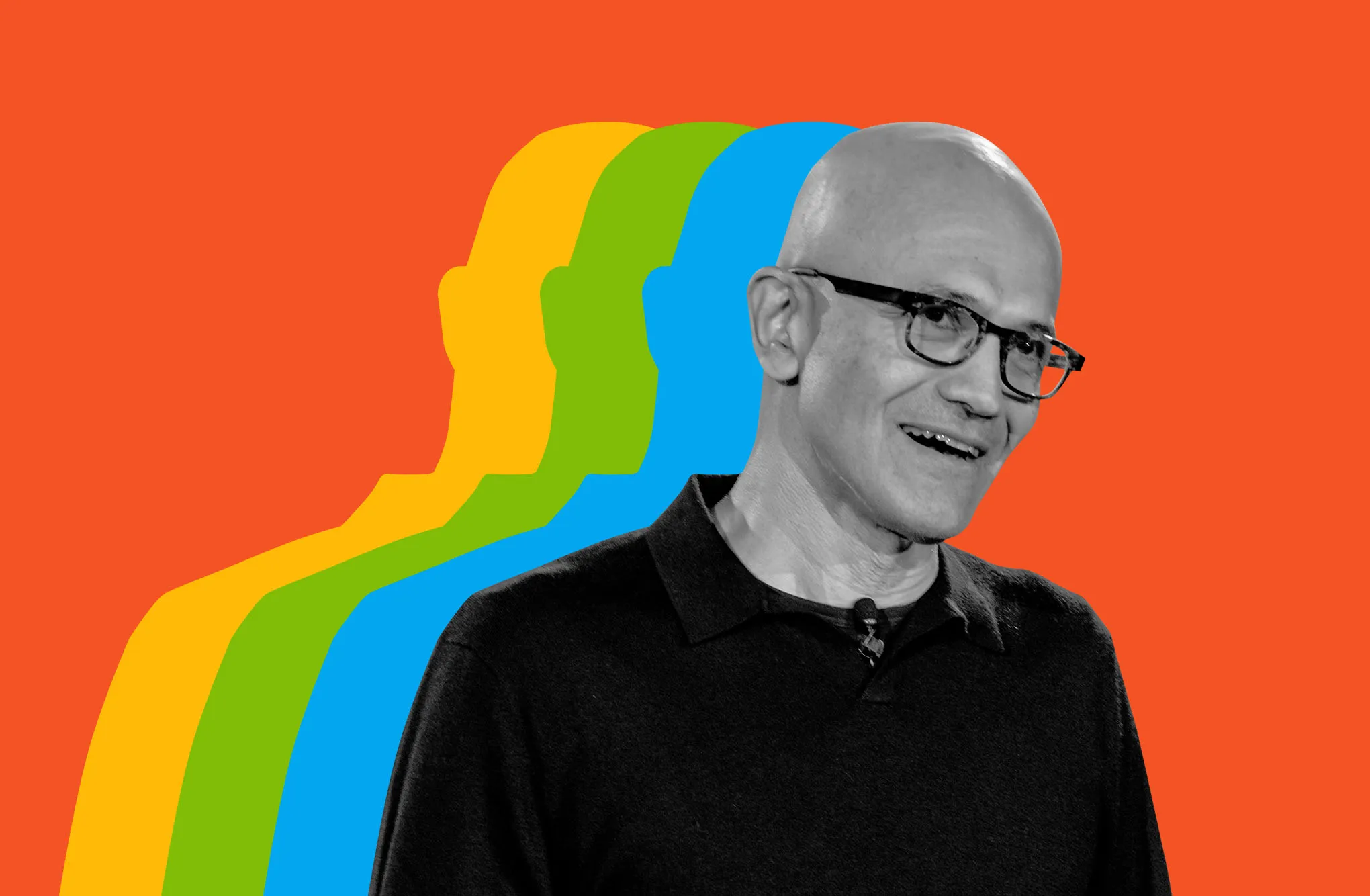
In a palpable shift from its reliance on OpenAI, which saw its partnership evolve into a complex separation earlier this year, Microsoft seems determined to thrive on its own merits. CEO Satya Nadella captured the essence of the occasion, likening it to a newly liberated individual embracing the fresh opportunities that change brings. “It’s always fun to be at developer conferences in times of great change,” he remarked.
Stepping Up in AI Development
Positioning itself as a contender among the elite AI laboratories, Suleyman revealed MAI-Thinking-1, a new reasoning model tailored for enterprise-level applications. “The goal is to prove that we can become one of the top four labs in the world,” Suleyman emphasized. Competing against established names like OpenAI and Anthropic, Microsoft aims to leverage its resources for groundbreaking developments in AI.
The MAI-Thinking-1 model emerges as a centerpiece of this strategy, crafted from scratch to address serious mathematical and coding tasks. Suleyman noted that unlike its predecessors, this model was developed independently and without any learning distillation, asserting that Microsoft’s innovations are free from the influence of others.
A Shift in Cybersecurity Landscape
Additionally, Nadella highlighted Microsoft’s newly launched AI cybersecurity tool, MDASH, designed to harness the power of 100 AI agents for identifying system vulnerabilities more effectively than traditional single models. This move positions Microsoft firmly in the competitive cybersecurity arena, following recent innovations from rivals like Anthropic.
Microsoft faces a unique challenge in the burgeoning market for AI agents, spurred on by the rising popularity of platforms like OpenClaw. With OpenAI recently acquiring OpenClaw’s creator, Microsoft is pushing to integrate this technology seamlessly with Windows. Nadella reaffirmed the company's commitment to supporting OpenClaw within its ecosystem, engaging directly with developers to explore collaborative opportunities.
As industry stakeholders continue to navigate the evolving landscape of AI, the race to ensure security and operational efficiency remains critical. Debates around the potential of AI agents have intensified, with Peter Steinberger—OpenClaw's creator—garnering enthusiastic attention as he showcased the platform’s capabilities in enhancing security and user trust.
“It’s clear that demand is surging, with requests for practical applications at workplaces,” Steinberger noted in his surprise appearance at the conference. As Microsoft forges ahead in pursuit of AI innovation, its competitive spirit is more pronounced than ever, marking a significant chapter in its ambitious journey.
Source: The Verge