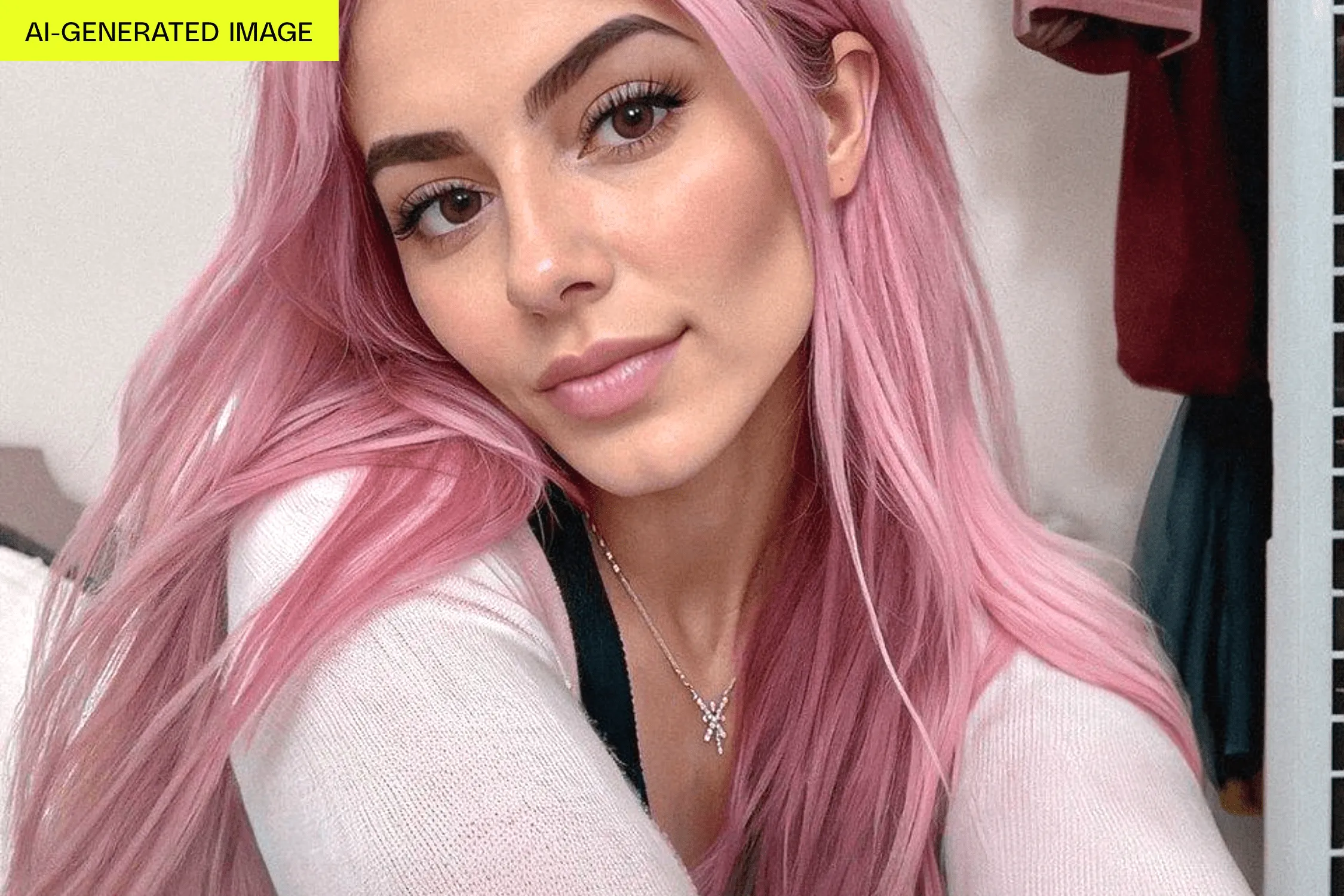
The digital landscape is undergoing a seismic shift as artificial intelligence (AI) influencers become increasingly difficult to differentiate from human users on social media platforms. Once clearly identifiable, these virtual personas now blend seamlessly into the feeds of millions, presenting a complex challenge for tech companies.
The Evolution of AI Influencers
Initially, the world of AI influencers was an exclusive space, occupied by distinct figures such as Lil Miquela and Shudu Gram. These early adopters were easily recognizable, with their meticulously crafted aesthetics and collaborations that drew attention. However, as time progressed, the line between reality and virtuality blurred.
Contemporary AI influencers like Emily Pellegrini and Aitana Lopez resemble the polished personas of our most aspirational friends, seemingly living enviable lives filled with luxury. Behind these avatars lie creative agencies like The Clueless and individuals who once focused on traditional influencer marketing but have now pivoted to fostering a new generation of digital entities.
A Surge of AI-Generated Content
The novelty of AI influencers has diminished, as the market becomes saturated with low-quality content generated by an influx of users creating their own AI personas. This expansive growth has drawn a multitude of creators keen to capitalize on this trend, introducing a myriad of virtual characters that flood social media platforms.
As a result, the digital sphere is now a cacophony of content: from AI-generated scams to disinformation efforts, these fabricated identities occupy niches that are both quirky and unsettling. Surprisingly, many of these avatars merely emulate popular trends made famous by their human counterparts, further complicating the already convoluted social media landscape.
The Challenge of Detection
Tracking the influence of these virtual characters proves difficult. While some databases attempt to catalog well-known AI avatars, the vast majority of accounts remain undetected, operating under the radar. This is partly due to remarkable advancements in AI technology that allow for hyper-realistic imagery and authenticity in presentation, making even the savviest social media users susceptible to deception.
Today’s tools, provided by companies like Google and OpenAI, allow anyone with basic resources to create captivating AI influencers, devoid of expensive studio requirements. This democratization of technology has substantial implications for the social media ecosystem.
A Platform in Peril
As the presence of AI influencers grows, social media platforms face mounting pressure to address the challenges posed by this new form of identity. While many have instituted policies covering synthetic media, the patchwork of guidelines often fails to capture the nuances of these AI-generated avatars. Without clear classifications, the potential for manipulation and misuse remains, as these digital beings defy traditional labeling.
In a landscape where authenticity is increasingly prized, the ambiguity surrounding AI influencers leaves platforms grappling with uncertainty. For now, they inhabit a gray area, navigating between acceptance and regulation, as the rise of AI content creators reshapes the very fabric of social interaction online.
Source: The Verge