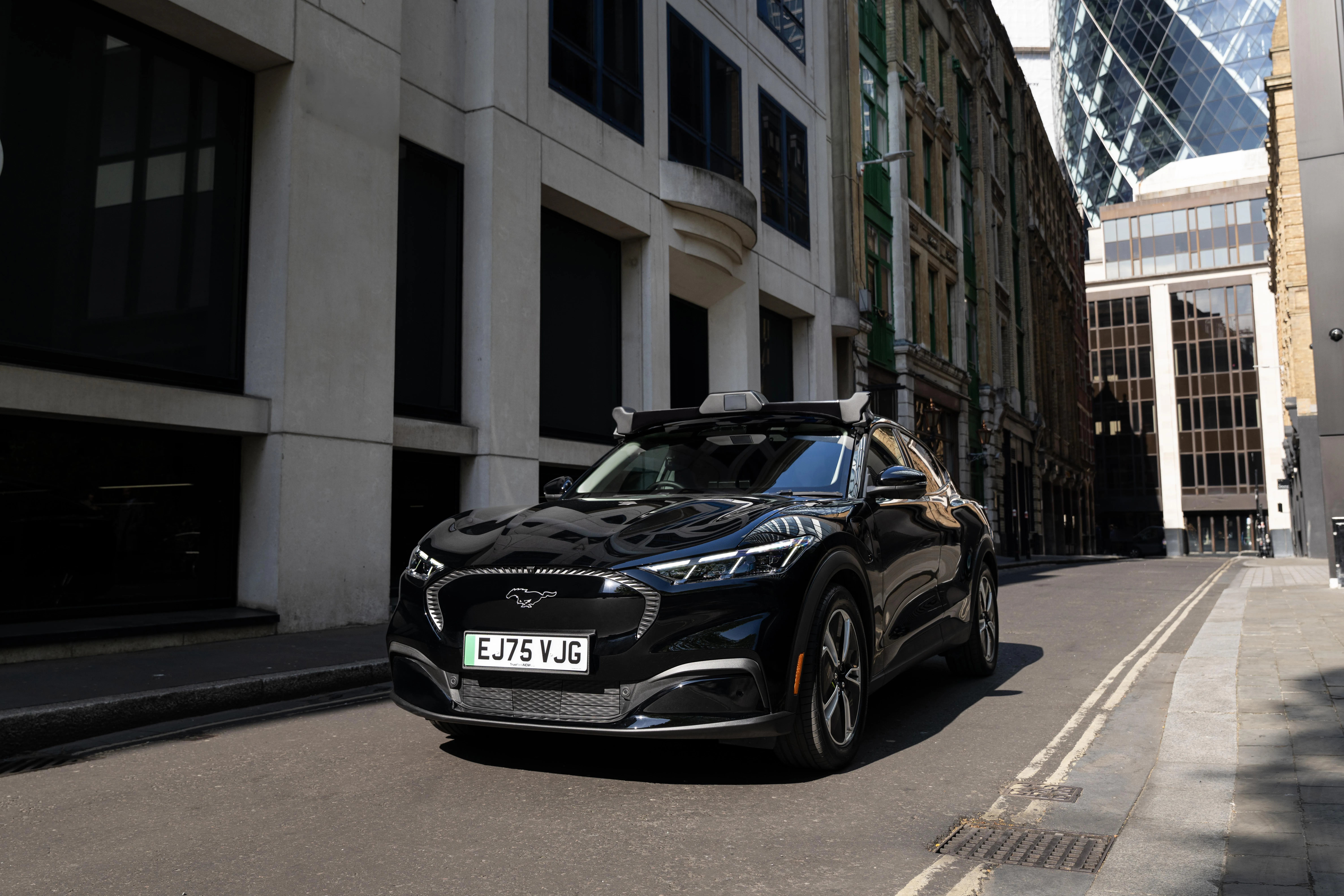
In a groundbreaking move for urban mobility, Uber has announced plans to introduce robotaxis on the bustling streets of London. The ride-hailing giant is actively inviting Londoners to sign up for an interest list, offering them a chance to be among the first riders of Wayve's autonomous vehicles when the service commences later this year.
This launch represents a pivotal moment not only for Uber but also for London's transportation landscape, as it aims to determine whether there is substantial demand for driverless ride-hailing services outside established markets like the United States and China. London’s upcoming rollout is particularly significant, as the city prepares to embrace a new era of transport innovation.
Users looking to be at the forefront of this technological evolution can register their interest directly through the Uber app. By navigating to the “autonomous vehicles” section within their ride preferences, customers can indicate their desire to participate in this novel ride experience. Uber assures that subscribers to the interest list will enhance their chances of being matched with a Wayve autonomous vehicle upon launch, and they will receive updates regarding the service's rollout.
While the exact launch date remains undisclosed, representatives from both Uber and Wayve, a UK-based startup specializing in autonomous technology, have confirmed that operations will begin “in the coming months.” Riders fortunate enough to be matched with a Wayve vehicle will be notified through the app and will have the option to switch to a traditional vehicle if they prefer. Notably, the fares for rides in these futuristic vehicles will be identical to those of the existing UberX, Uber Electric, and Uber Comfort options, eliminating any additional costs.
It is essential to note that this initial phase will not feature completely driverless rides. In compliance with local regulations, a safety driver will remain behind the wheel, poised to take control if necessary. Uber and Wayve are cautious not to disclose which specific areas of London will be included in this trial or the size of the fleet, though discussions with local authorities regarding the scope of the project are reportedly ongoing.
Significantly, the United Kingdom currently lacks any fully autonomous vehicles operating on public roads, though several entities are exploring tests. The UK government has indicated that pilot programs featuring fully driverless ride-hailing services could commence as early as spring 2026, with broader implementations slated for late 2027 in accordance with the Automated Vehicles Act of 2024.
In this competitive landscape, Uber and Wayve are not alone. The tech community is buzzing with interest as other players, including a partnership between Uber and Chinese tech giant Baidu and plans from Alphabet's Waymo to penetrate the London market, continually emerge.
As this narrative unfolds, Londoners are poised to witness a remarkable shift in their commuting experience, heralding a future where robotaxis could soon become a common sight on city streets. The public’s willingness to embrace this innovation will ultimately shape the trajectory of autonomous transport in the UK.
Source: The Verge
Source: The Verge